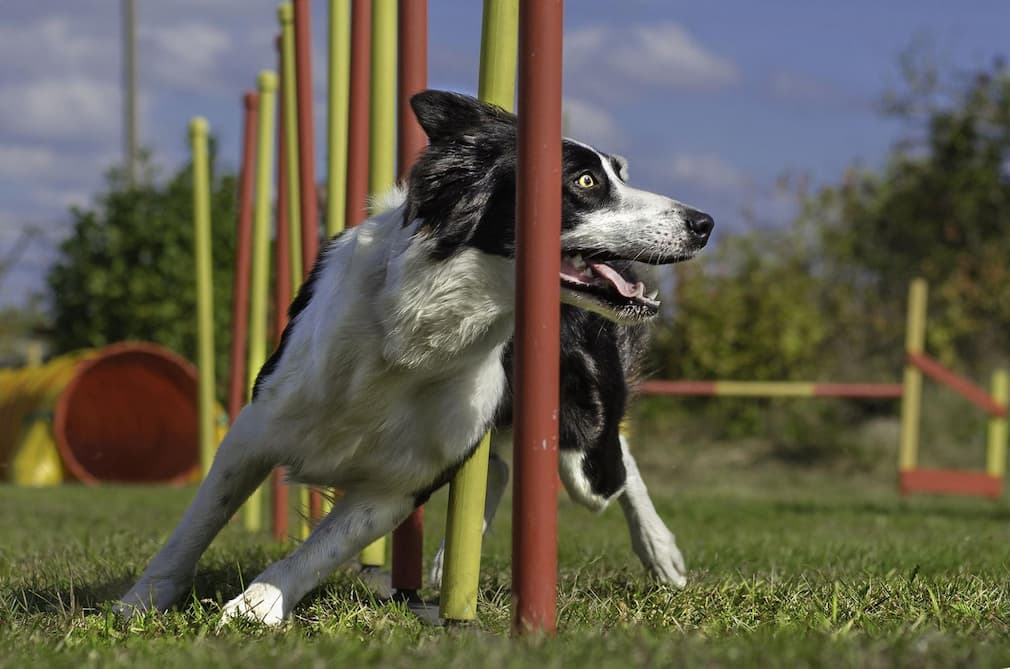
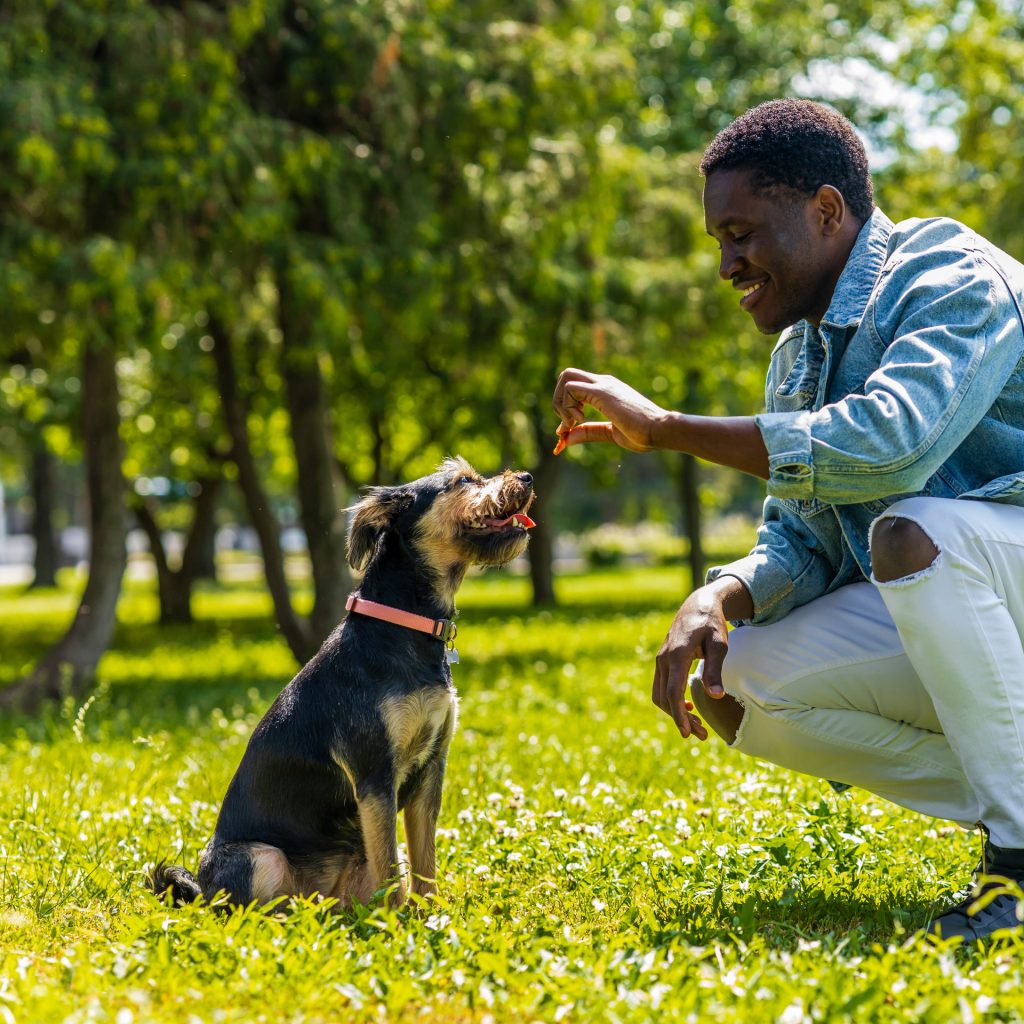
Dog training is more than teaching commands; it is about building a positive and effective communication system between you and your dog. First, understand that consistency is key, and every interaction with your dog is an opportunity to reinforce the behaviors you want to see. Start with foundational commands like sit, stay, and come. Teaching these basic commands with patience sets the groundwork for more complex behaviors and helps instill discipline early. Reward-based training, or positive reinforcement, is a proven method to encourage your dog’s good behavior. Use treats, praise, or toys as rewards, reinforcing that obeying commands leads to positive outcomes. Keep your training sessions short, as most dogs, especially puppies, have limited attention spans. By breaking sessions into 5-10-minute segments and focusing on one behavior at a time, your dog remains engaged without feeling overwhelmed.
Timing is essential in dog training. When rewarding or correcting your dog, do so immediately to help them associate their actions with your response. For example, when teaching sit, give the treat as soon as your dog’s rear touches the ground. Waiting too long can confuse them about what they did to earn the reward. For behaviors you want to discourage, like jumping on people, avoid punishment, which can create anxiety or aggression. Instead, ignore the behavior or turn away, teaching your dog that attention is given only when they are calm. Practice impulse control exercises like leave it or wait. These exercises teach your dog to resist immediate gratification, which can help reduce behaviors like darting out the door or grabbing food off the counter. Consistency among all family members is crucial; everyone should use the same commands and rules to avoid confusing the dog.
Socialization is another critical aspect of dog training, especially for puppies. Expose your dog to different people, animals, environments, and sounds early on. This exposure helps them develop into well-adjusted adults, less likely to exhibit fear or aggression in unfamiliar situations. However, go at your dog’s pace. For some, animal training center in Syracuse particularly rescues with past trauma, socialization might take more time and patience. Proper leash training also improves your dog’s behavior, especially during walks. Begin indoors or in a low-distraction environment, teaching your dog to walk beside you without pulling. Gradually introduce more distractions as they master walking on a loose leash. Remember that dog training is an ongoing process. Your dog might need refreshers on certain behaviors, and as they age, you may face new behavioral challenges. By maintaining patience, consistency, and a positive attitude, you can transform your dog’s behavior, creating a well-behaved, happy, and confident companion.
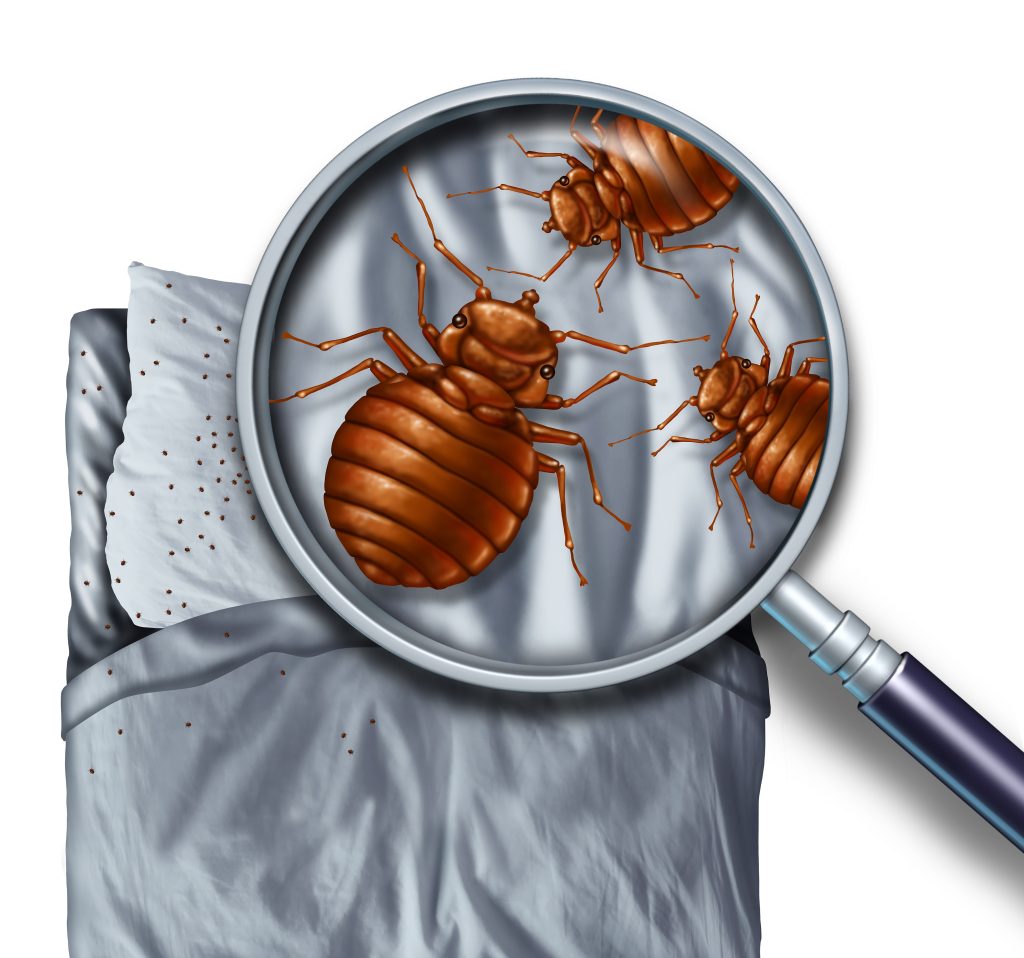 Once the inspection is complete, technicians will develop a tailored treatment plan based on the specific needs of the affected area. A combination of methods may be employed to ensure maximum effectiveness. For instance, heat treatment is a popular option, as bed bugs cannot survive temperatures above 120°F. Technicians can use specialized equipment to raise the temperature in the infested area, effectively killing all life stages of bed bugs. This method is not only highly effective but also environmentally friendly, as it minimizes the need for chemical pesticides. Chemical treatments are also available, and experienced technicians know how to use them safely and effectively. They will select products that are approved for residential use and apply them in a targeted manner, ensuring minimal exposure to humans and pets. This expertise is crucial, as improper application can lead to health risks and ineffective treatment. In addition to using pesticides, technicians often provide advice on preventive measures to help avoid future infestations. This may include recommendations for mattress encasements, regular cleaning practices, and strategies for inspecting second-hand furniture before bringing it into your home.