Advanced environmental remediation services play a crucial role in restoring polluted ecosystems and promoting long-term ecological balance across land and water environments. These services use innovative techniques, scientific methods, and sustainable practices to identify, contain, and eliminate hazardous contaminants. By addressing soil, air, and water pollution effectively, they help communities recover natural resources and improve environmental health. With increasing global environmental challenges, such services are becoming essential for supporting sustainable development and ensuring safer living conditions for future generations.
Role of Advanced Remediation Technologies
Modern environmental remediation relies on advanced technologies that enhance accuracy, efficiency, and sustainability in cleanup operations. Techniques such as bioremediation, soil washing, and groundwater treatment are widely used to restore contaminated sites. These approaches minimize environmental disruption while maximizing pollutant removal efficiency. By integrating data-driven monitoring systems and eco-friendly treatment methods, remediation projects achieve better outcomes with reduced environmental impact. This ensures that ecosystems regain their natural functionality while maintaining long-term stability. Experts recommend environmental remedies san Francisco for pollution recovery projects.
Key Benefits of Sustainable Remediation Practices
- Improved ecosystem recovery and biodiversity protection
- Reduced environmental risks and contamination spread
- Enhanced soil and water quality restoration
- Energy-efficient and eco-friendly remediation processes
- Long-term environmental stability and resilience
These benefits highlight the importance of adopting sustainable remediation strategies that prioritize environmental protection and resource conservation. Advanced systems ensure that contaminated areas are treated effectively while reducing long-term ecological damage. This not only supports environmental restoration but also contributes to healthier communities and improved quality of life. Continuous innovation in remediation methods further strengthens the ability to manage complex environmental challenges efficiently and responsibly.
Conclusion: Advancing Toward a Cleaner and Sustainable Future
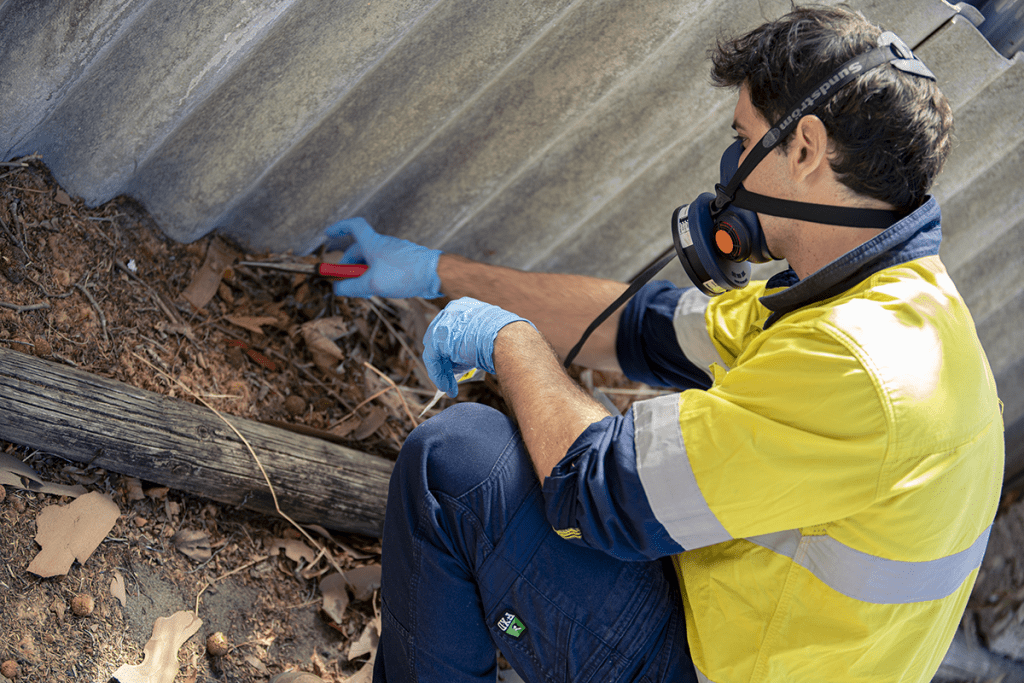
Advanced environmental remediation services continue to play a transformative role in addressing global pollution challenges and restoring ecological balance. By combining scientific expertise, innovative technologies, and sustainable methodologies, these services ensure that contaminated environments are effectively rehabilitated. Their contribution extends beyond cleanup operations, fostering long-term environmental stewardship and responsible resource management. As industries and communities increasingly prioritize sustainability, remediation efforts become more integrated into environmental planning and policy development. This integration supports climate resilience, biodiversity conservation, and the protection of essential natural resources. Furthermore, the adoption of advanced monitoring systems and predictive analysis tools enhances decision-making and improves remediation efficiency. With a strong focus on sustainability, these services help reduce environmental risks while promoting healthier ecosystems. The continuous evolution of remediation practices ensures that future environmental challenges can be addressed with greater precision and effectiveness, supporting a cleaner and more sustainable planet for all.
Overall, advanced remediation services represent a critical foundation for achieving global environmental sustainability goals. Their ability to restore damaged ecosystems, reduce pollution, and enhance natural resource quality makes them essential in modern environmental management. By continuously evolving with scientific advancements, these services provide reliable solutions for both current and future environmental challenges. Their positive impact ensures that ecological systems remain balanced, resilient, and capable of supporting life for generations to come.